Farm diversification ideas: why camping and glamping lead the way
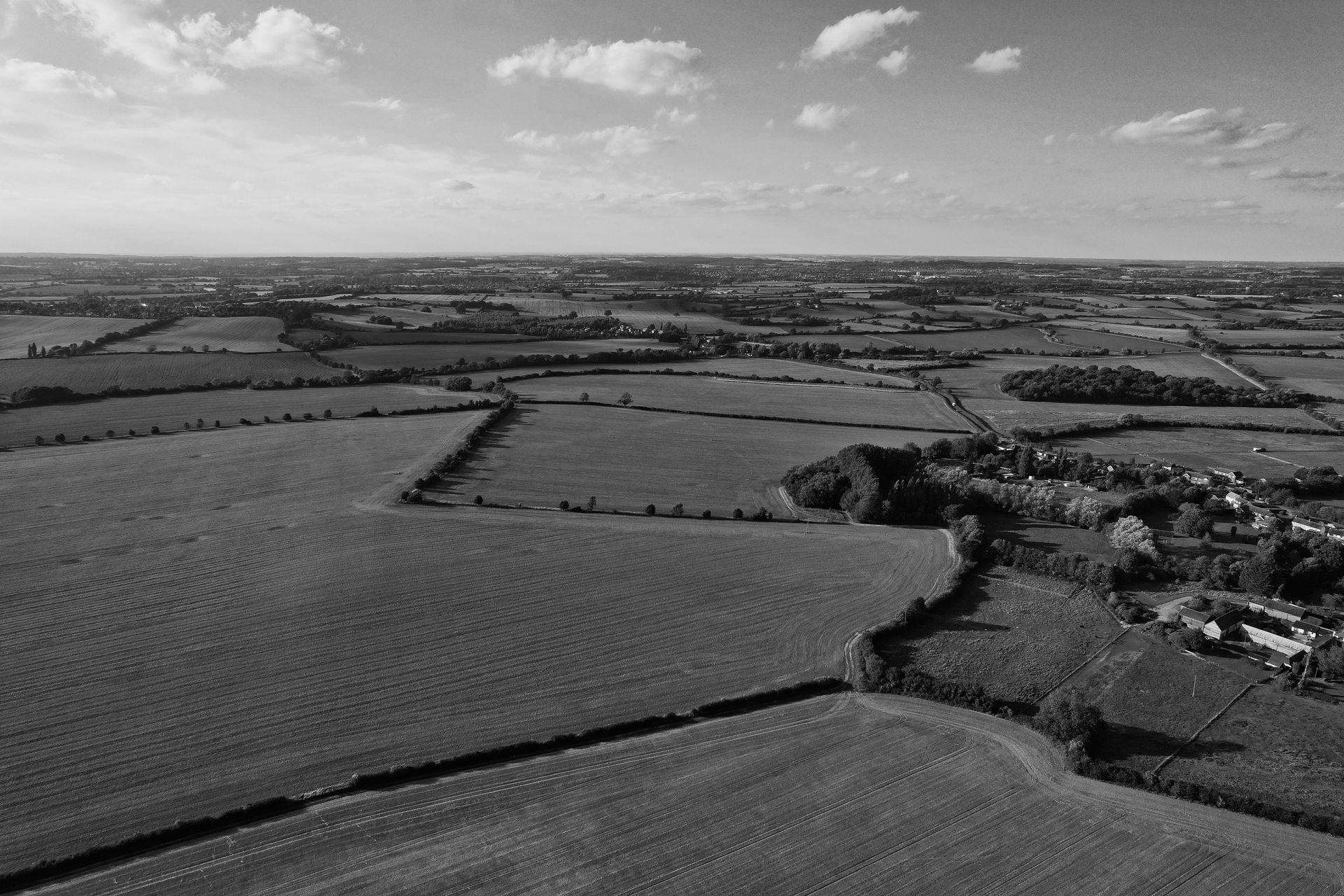
Farming has never been a one-income business for long. Weather, markets and funding schemes all shift, and the farms that do best tend to have more than one string to their bow. Diversifying doesn't have to mean changing what your land is. Often it means finding new ways to share what's already there.
Whether you're planning for the long term or looking for something that pays back sooner, here are some of the most popular farm diversification ideas in the UK, and why camping and glamping so often comes out on top.
Popular farm diversification ideas
Farm shops and direct sales
Selling your own produce, whether through a shop, an honesty box or a local market, keeps more of the value on the farm. It works best near passing traffic or a strong local customer base. It's also a daily commitment, with stock, staffing and opening hours to manage.
Holiday lets and barn conversions
Converting a redundant building into holiday accommodation can make good use of what you already have. The catch is time and cost. Conversions usually need planning permission or prior approval, and building work can take a long while before any income arrives.
Weddings and events
A beautiful barn or meadow can become a sought-after venue. Events can bring in good income, but they need licences, facilities and a lot of hands-on hosting. They're also often concentrated into a busy season.
Renewable energy
Solar arrays and wind turbines can provide long-term lease income. They usually depend on grid connections and planning consent, and they tie up land for many years.
Equestrian and livery
Stabling, grazing and arenas can suit farms with the right setup. It's steady but hands-on, and you're responsible for other people's animals every day.
Nature and biodiversity schemes
Habitat creation, rewilding and biodiversity net gain can turn less productive land into an asset. These are long commitments, often decades, so they suit land you're happy to set aside for good.
Why camping and glamping lead the way
Every option above has its place. But for many landowners, camping and glamping hits a sweet spot that the others can't quite match.
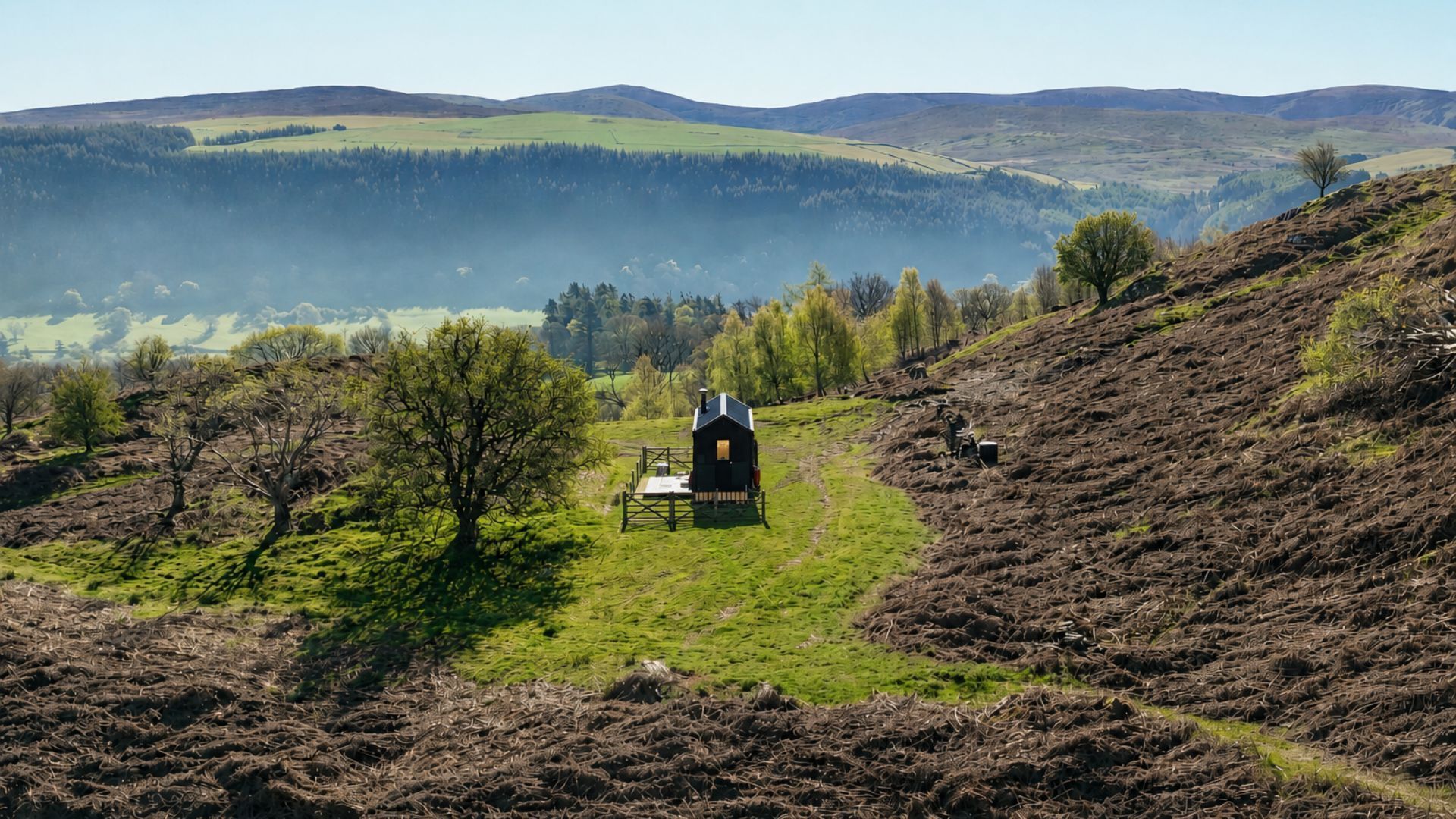
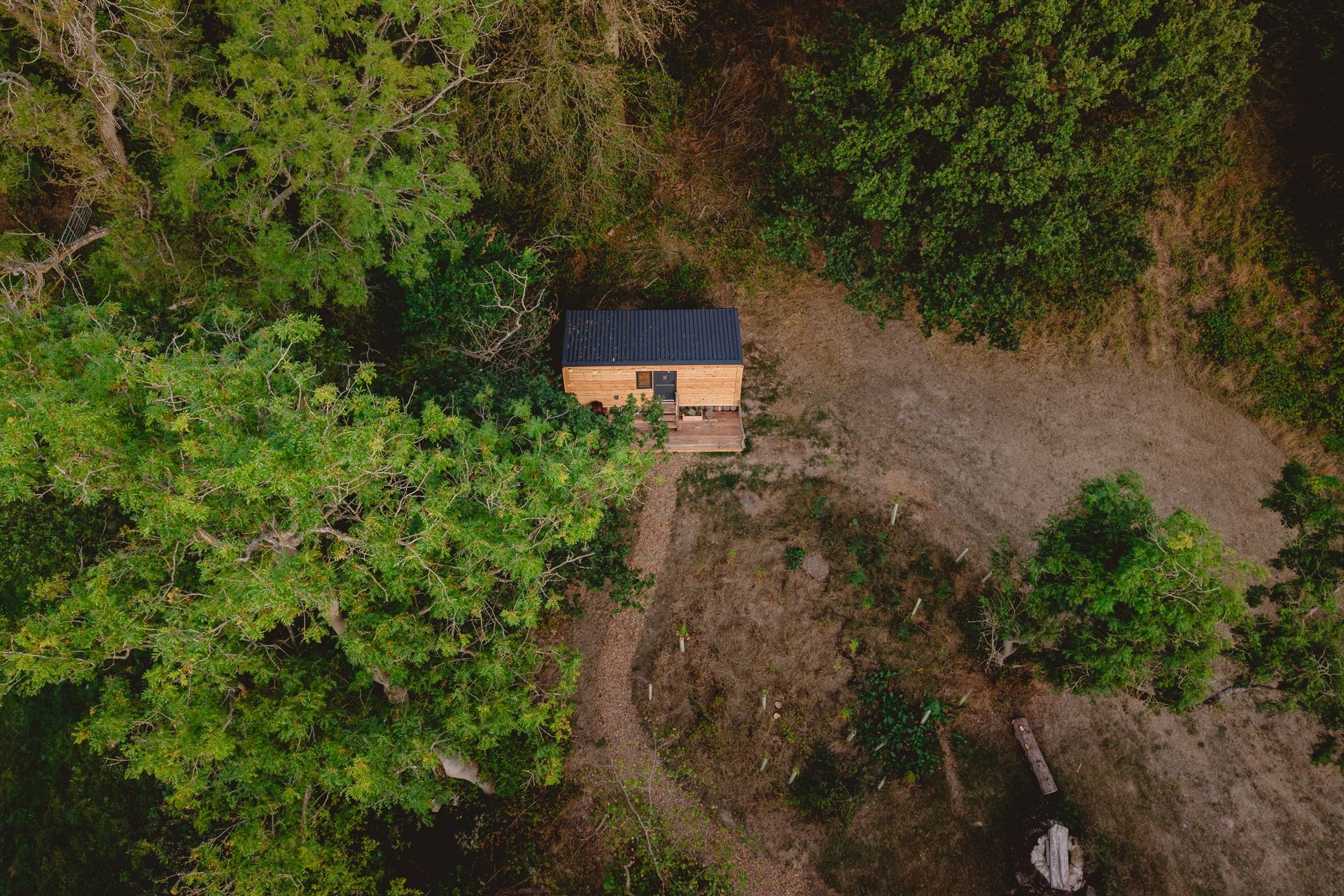
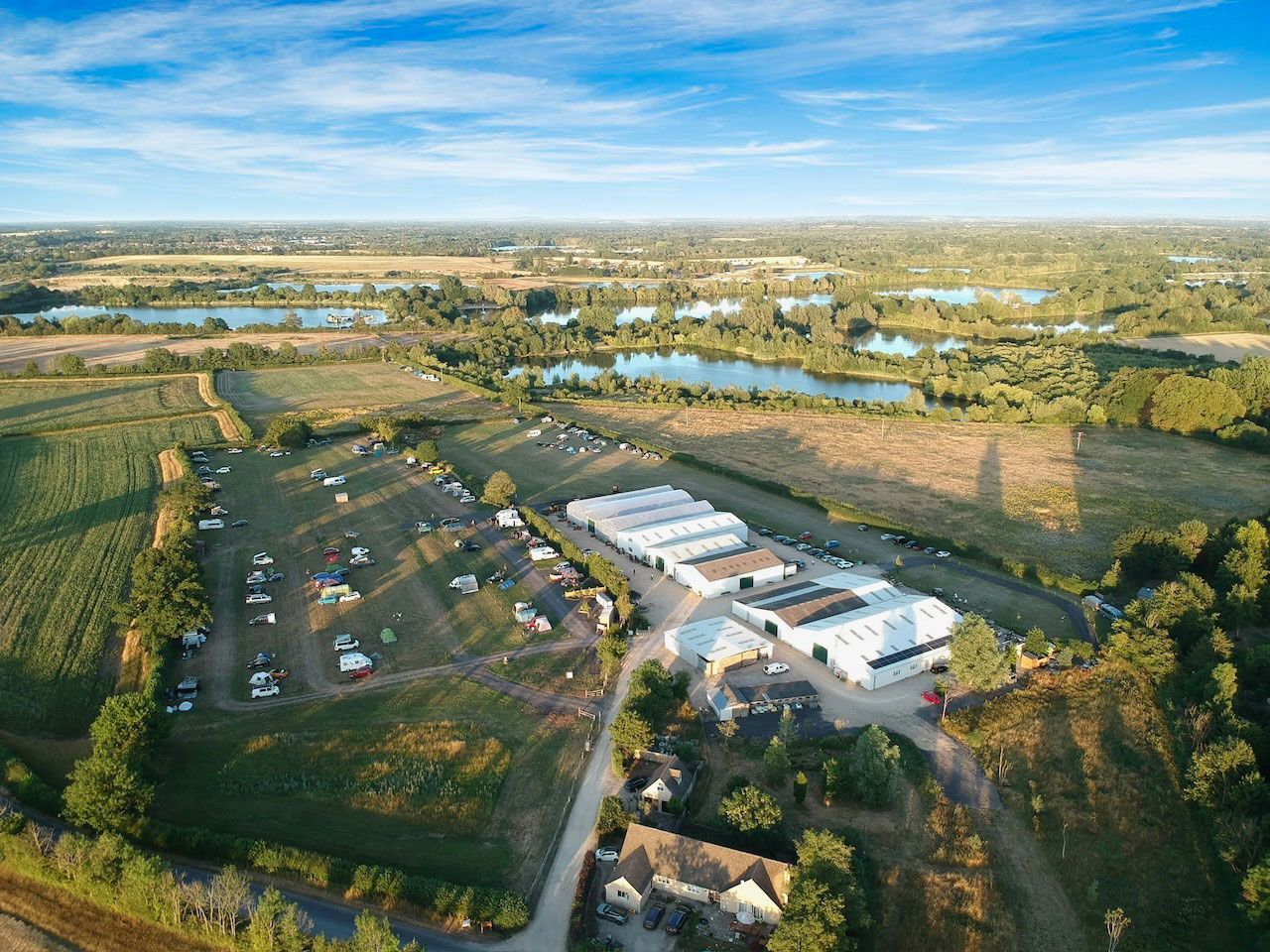
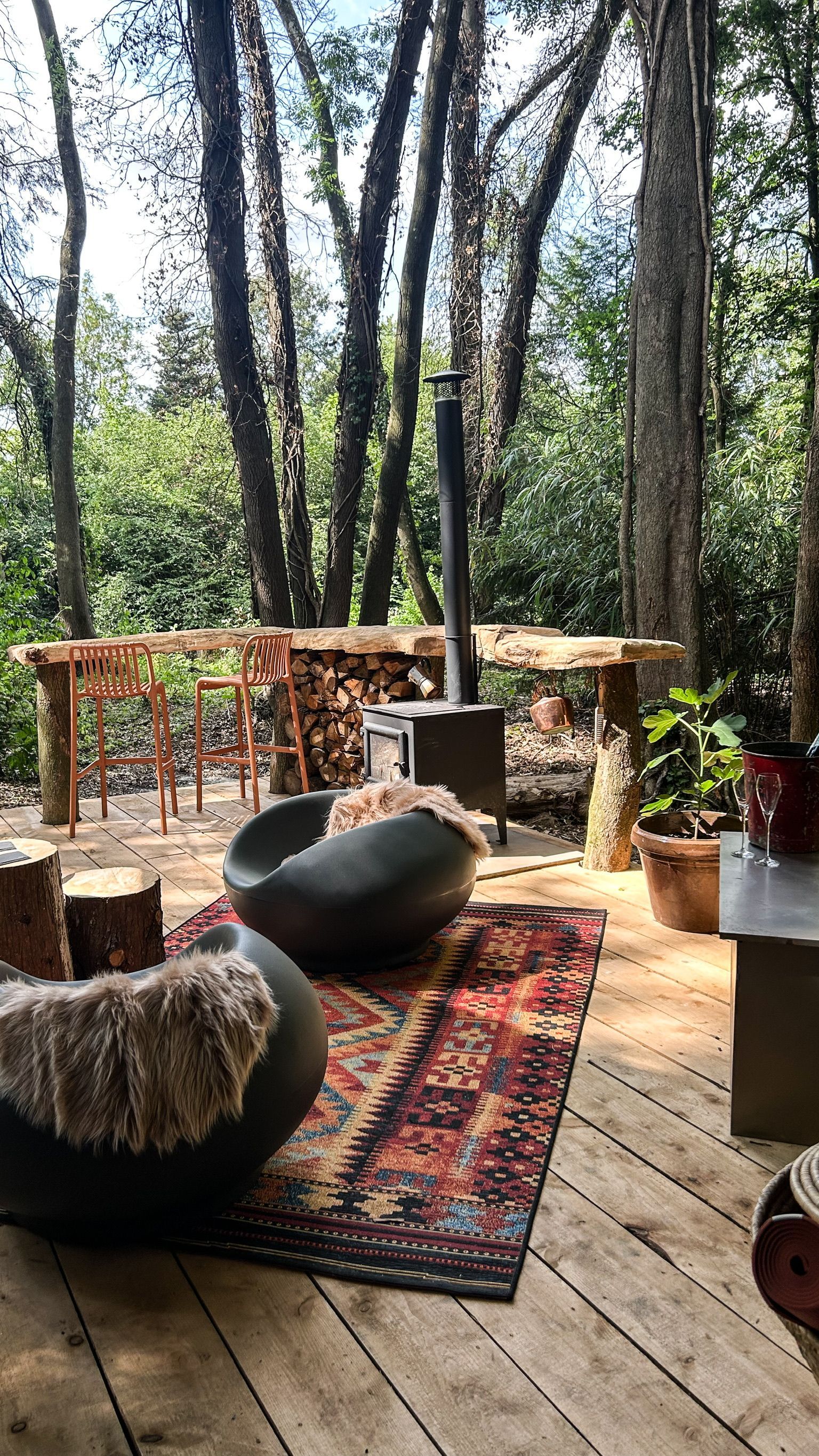
It works alongside farming, not instead of it. A small site can sit in a quiet corner, on a field edge or in a patch of woodland. Most of the farm carries on as it always has.
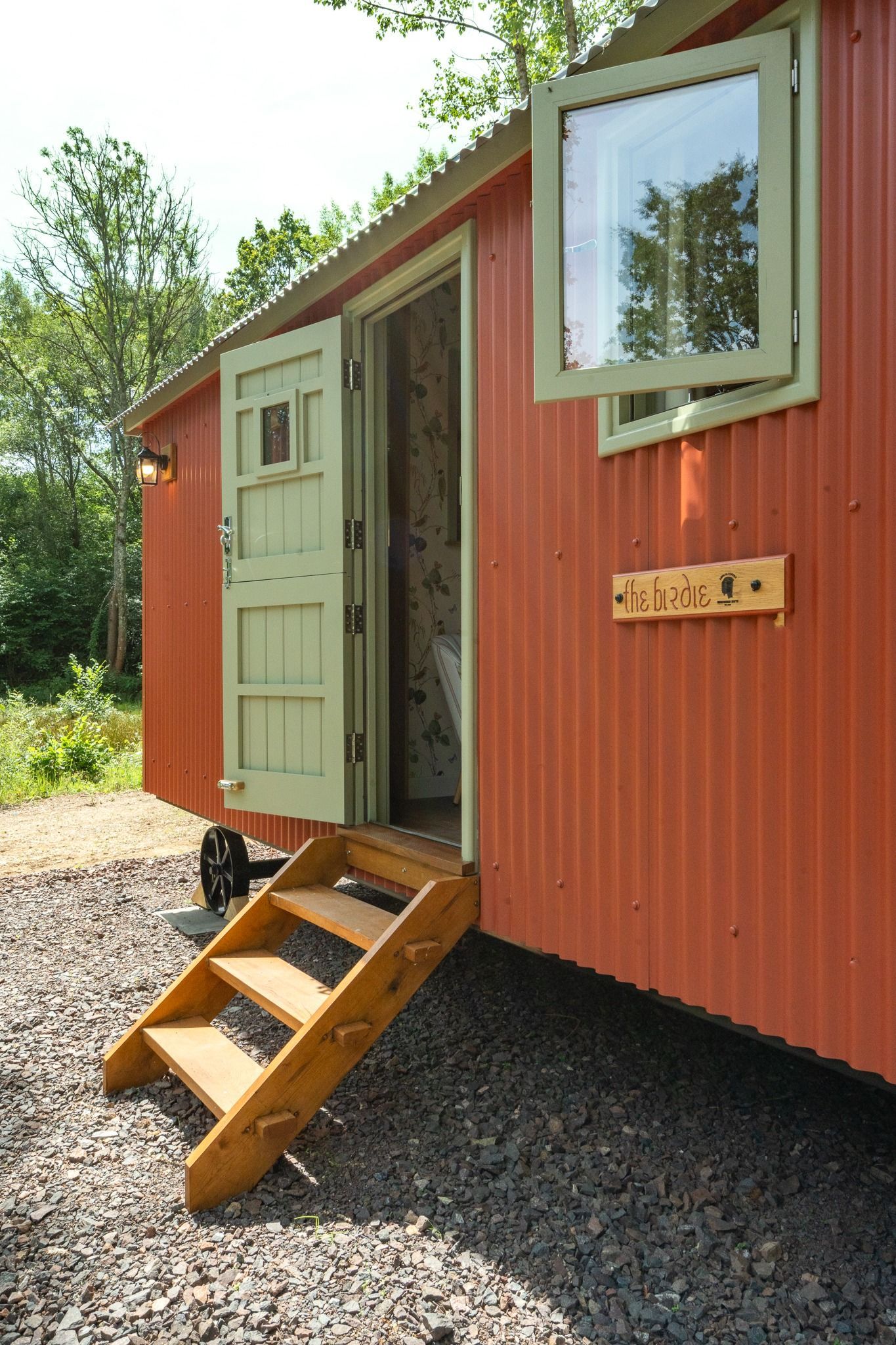
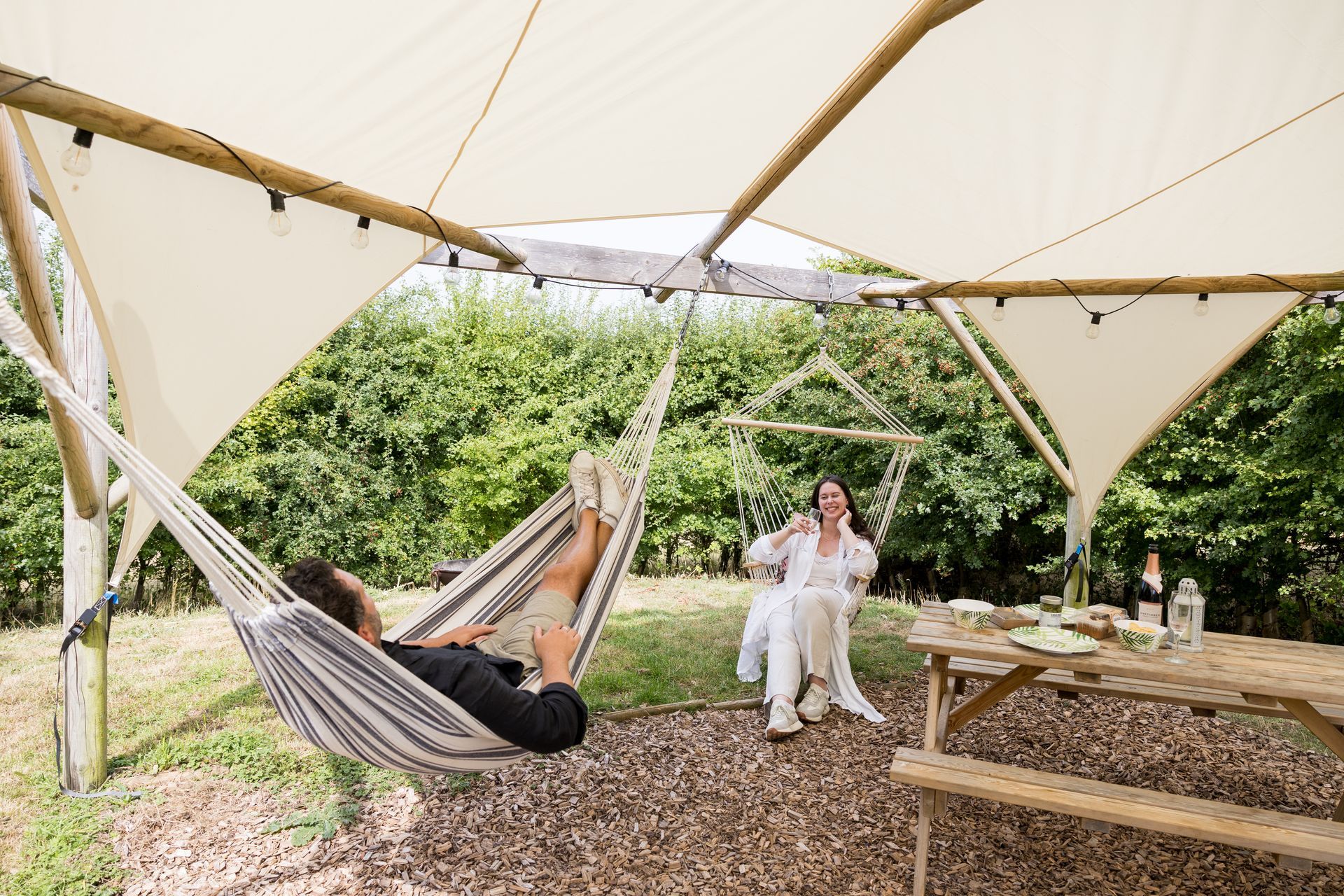
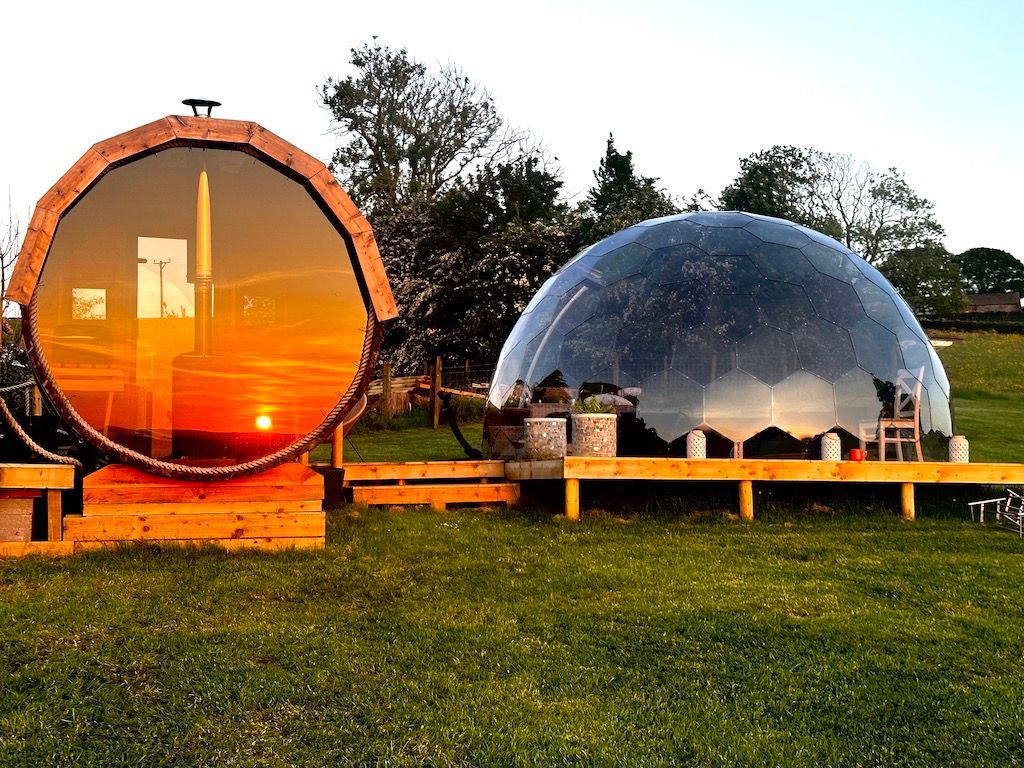
It's light on the land. Tents, bell tents, shepherd's huts and cabins can be placed with minimal groundwork. If plans change, the land can go back to how it was.
Setup can be quicker than you'd think. Compared with converting a building or waiting on a grid connection, a small site can be welcoming guests much sooner.
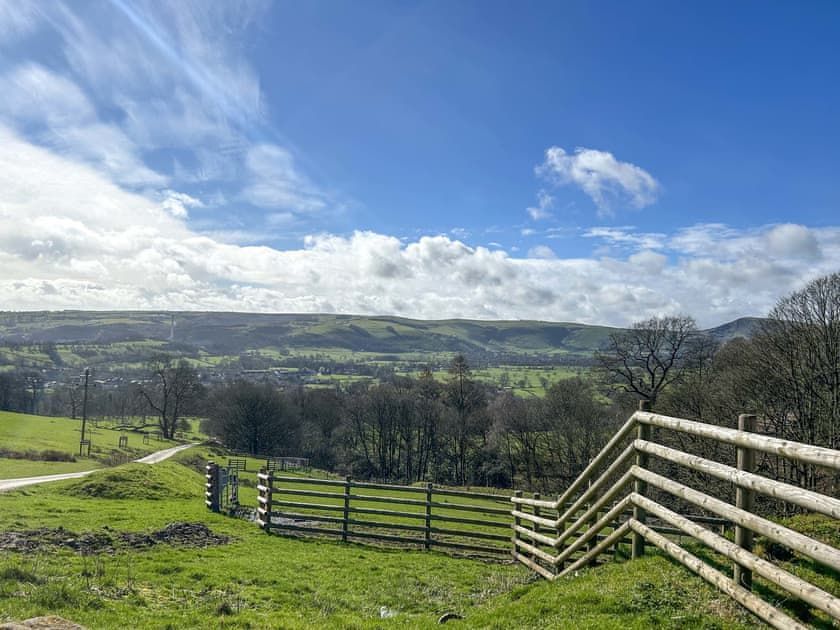
Guests want what you already have. More and more people are looking for quiet, characterful stays away from busy holiday parks. Woodland, streams, wildlife and open views are exactly what they're after, and farms have them in abundance.
It doesn't have to be seasonal. With the right route, a small site can open all year round.
The planning question
For most landowners, planning is the biggest hurdle. There are three main routes for small camping sites in England, and they work very differently.
- The 28-day rule. Permitted development rights let land be used for camping for a limited number of days each year.
- The 60-day rule. This extends the number of days for tent camping, but there's still a cap.
- The exempted organisation route. Under the Caravan Sites and Control of Development Act 1960, sites certified by a qualifying exempted organisation can host up to five units. There's no full planning permission, no site licence, and no limit on the number of days you can open.
Wanderlust is an exempted organisation. That means we can certify small sites so they can run all year, without the usual red tape, provided they meet our standards.
How Wanderlust helps
We're a hand-vetted network of independent camping and glamping sites across the UK. We're not the biggest platform, and that's deliberate. We visit every site, walk the land, and get to know the people behind it. Plenty of our members are working farms that have found a new way to share their land with guests.
If you're weighing up farm diversification ideas, we'd love to hear about your land.
[Find out if your land could become a Wanderlust site]
Frequently asked questions
What is the easiest way to diversify a farm?
It depends on your land and time, but camping and glamping is one of the most accessible options. It needs little permanent change, can run alongside farming, and can start small.
Do I need planning permission for glamping?
Not always. Under the exempted organisation route, sites certified by an organisation like Wanderlust can host up to five units without full planning permission or a site licence.
How many glamping units can I have without planning permission?
Through the exempted organisation route, up to five units, with no limit on how many days a year you can open.
Can I run a campsite alongside a working farm?
Yes. Many small sites sit on working farms, using a field, woodland or quiet corner while the rest of the farm carries on as usual.