Popular farm diversification ideas
New to the club: September's newest sites
This is your guide to our latest Certified Sites!
Search "how many days can I camp without planning permission" and you'll find answers mentioning 28 days, others mentioning five units with no day limit at all, and very few explaining that these are actually two completely separate legal mechanisms. If you've come away from your research more confused than when you started, that's why.
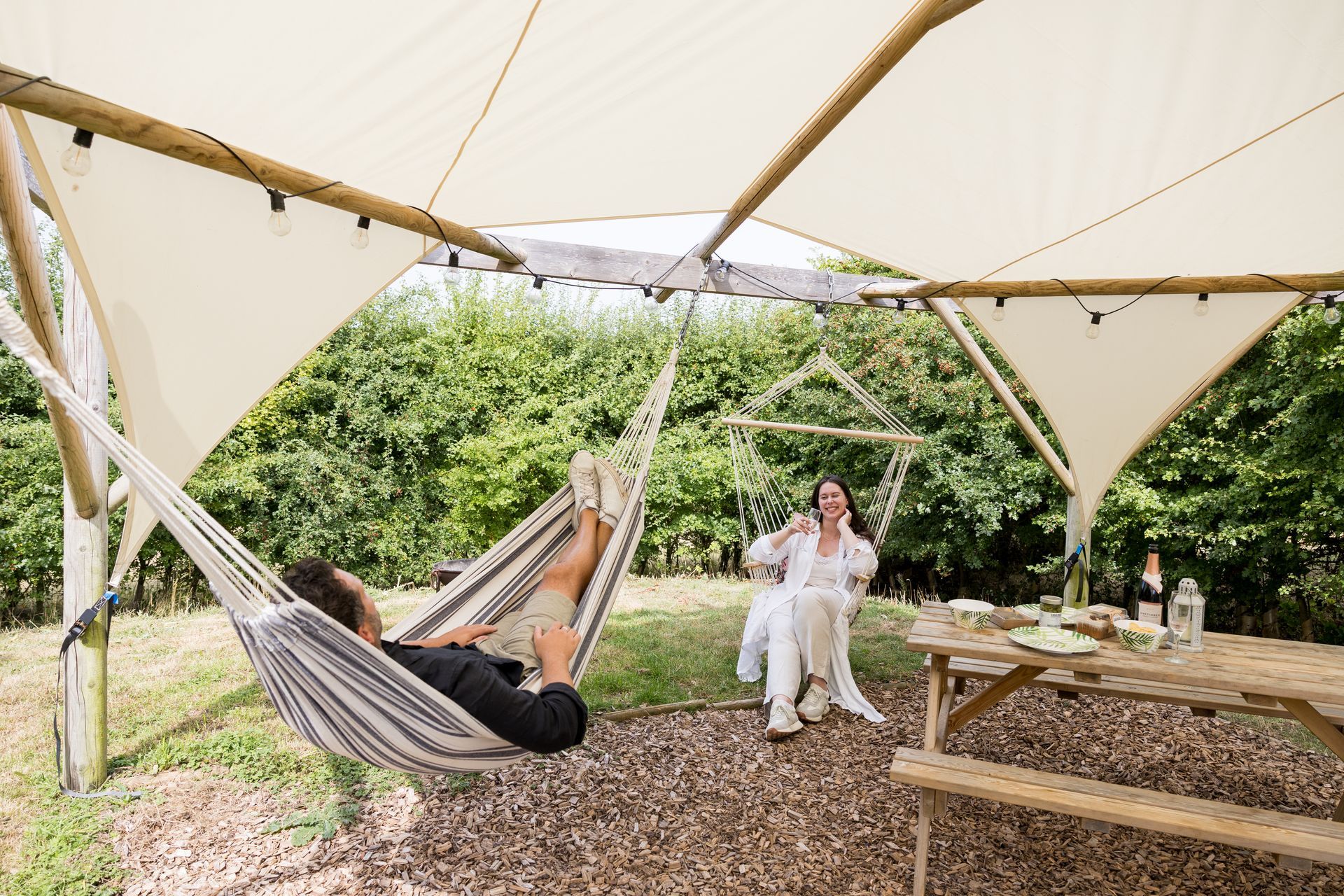
Certification isn't a quick form and a rubber stamp — it's a proper vetting process, and we're upfront about that from the first conversation. So rather than tell you it's worth it, we thought it was more useful to let the site owners who've been through it say so themselves.
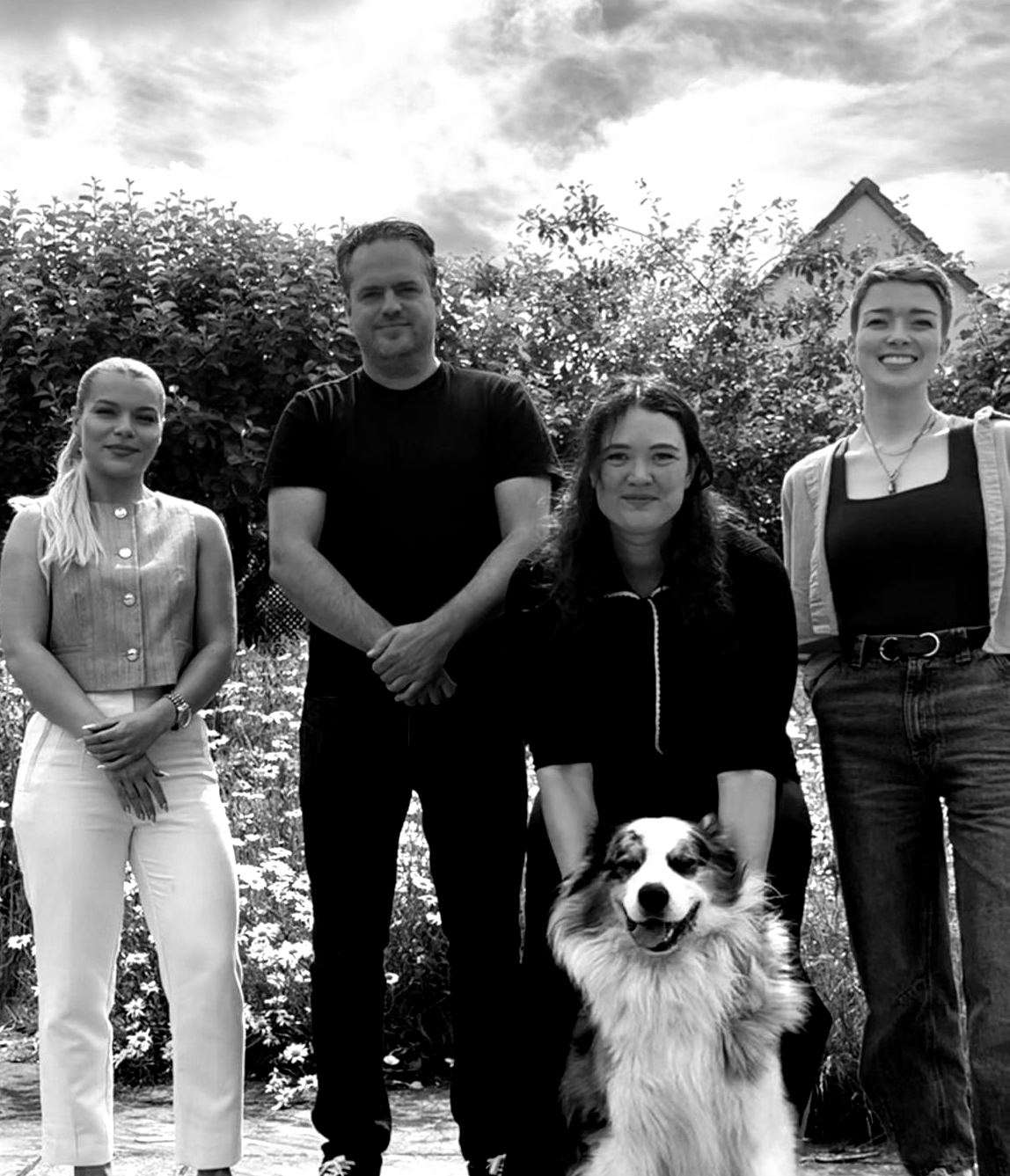
"Vetted, not viral" is easy to put on a website. It's a lot more meaningful once you know who's actually doing the vetting.
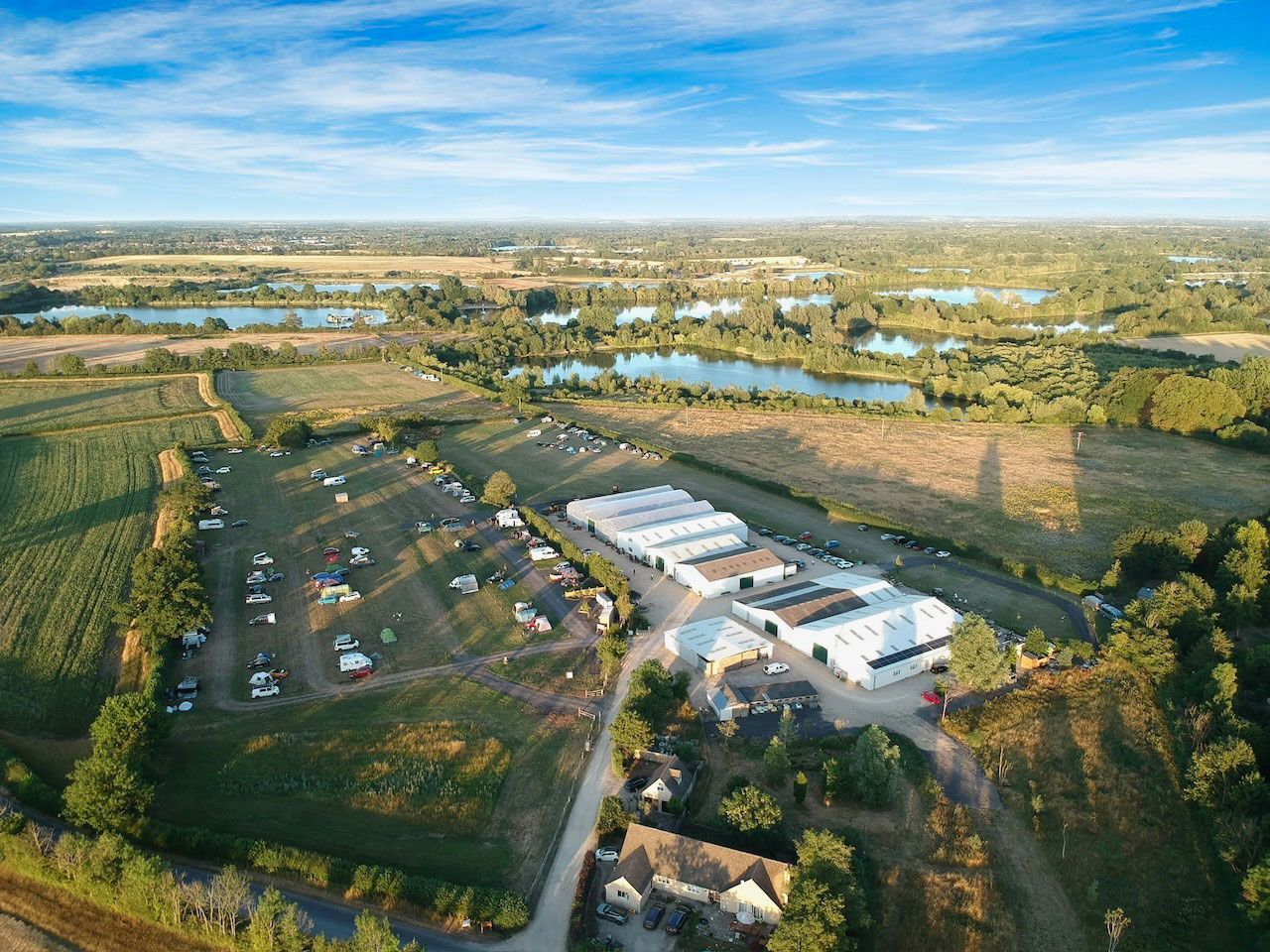
Type "planning permission for glamping" into Google and you'll fall down a rabbit hole of council jargon, forum horror stories, and blog posts that all seem to disagree with each other.
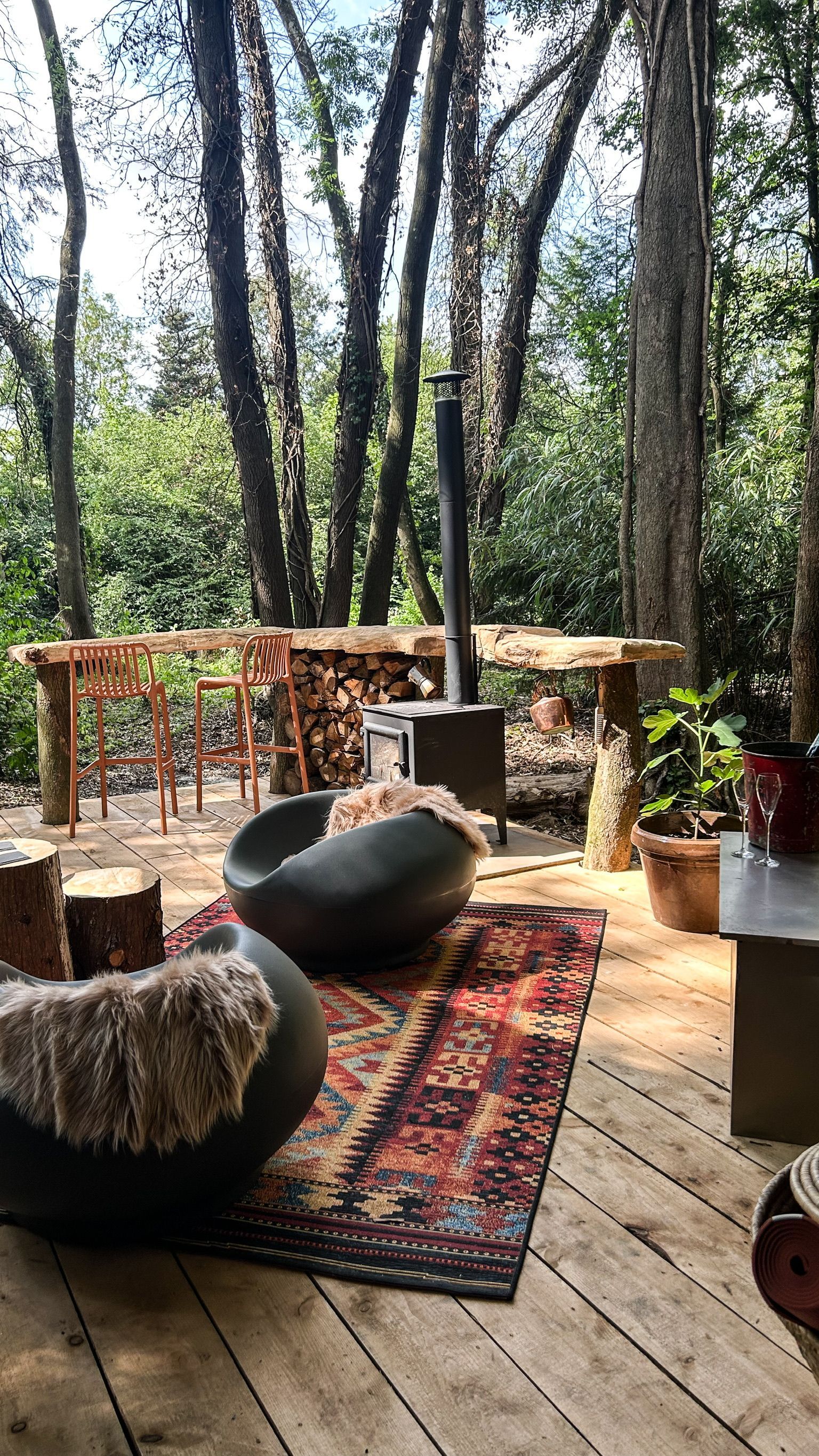
Farm incomes have been squeezed for years, and diversification has gone from a buzzword to a necessity for a lot of landowners. Holiday lets, wedding barns, farm shops — all well-trodden paths, and all requiring significant capital and, usually, full planning permission.
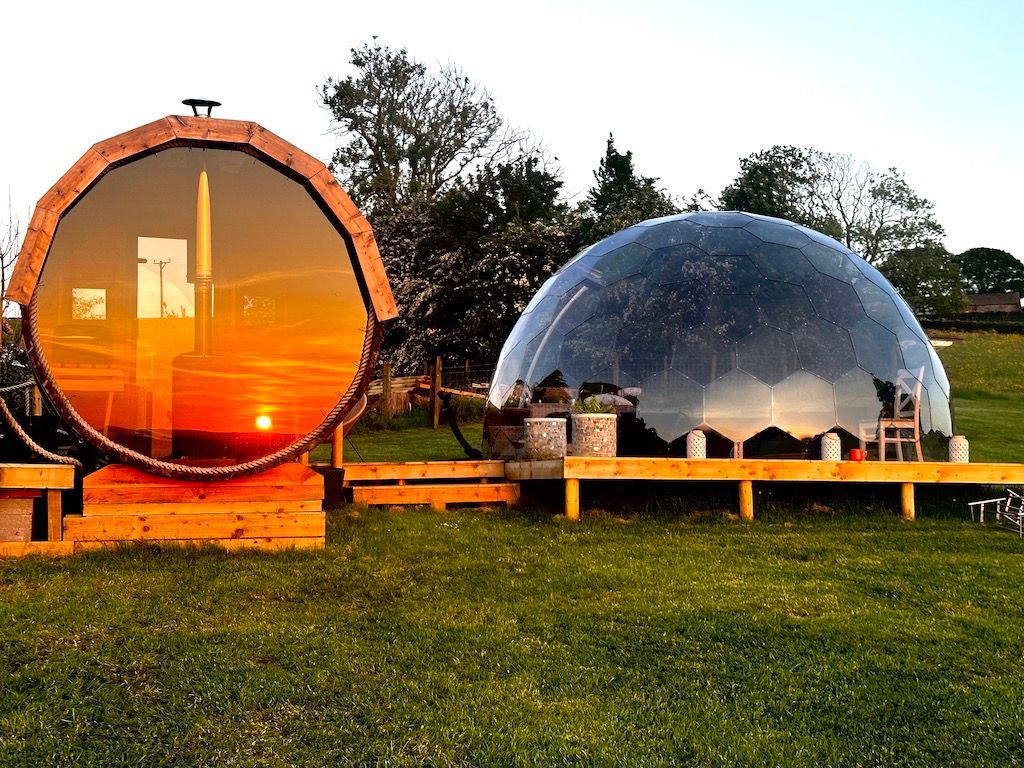
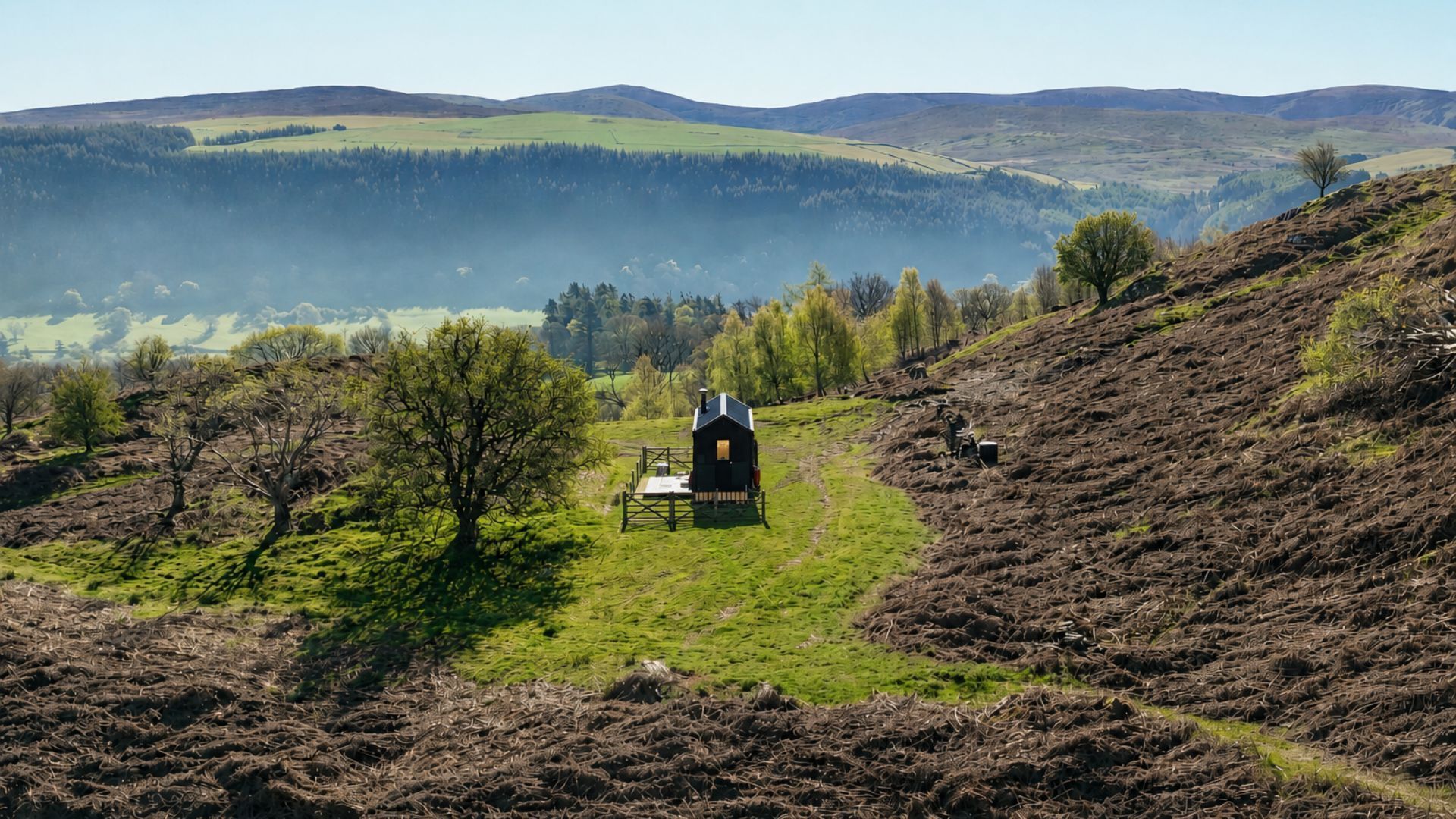
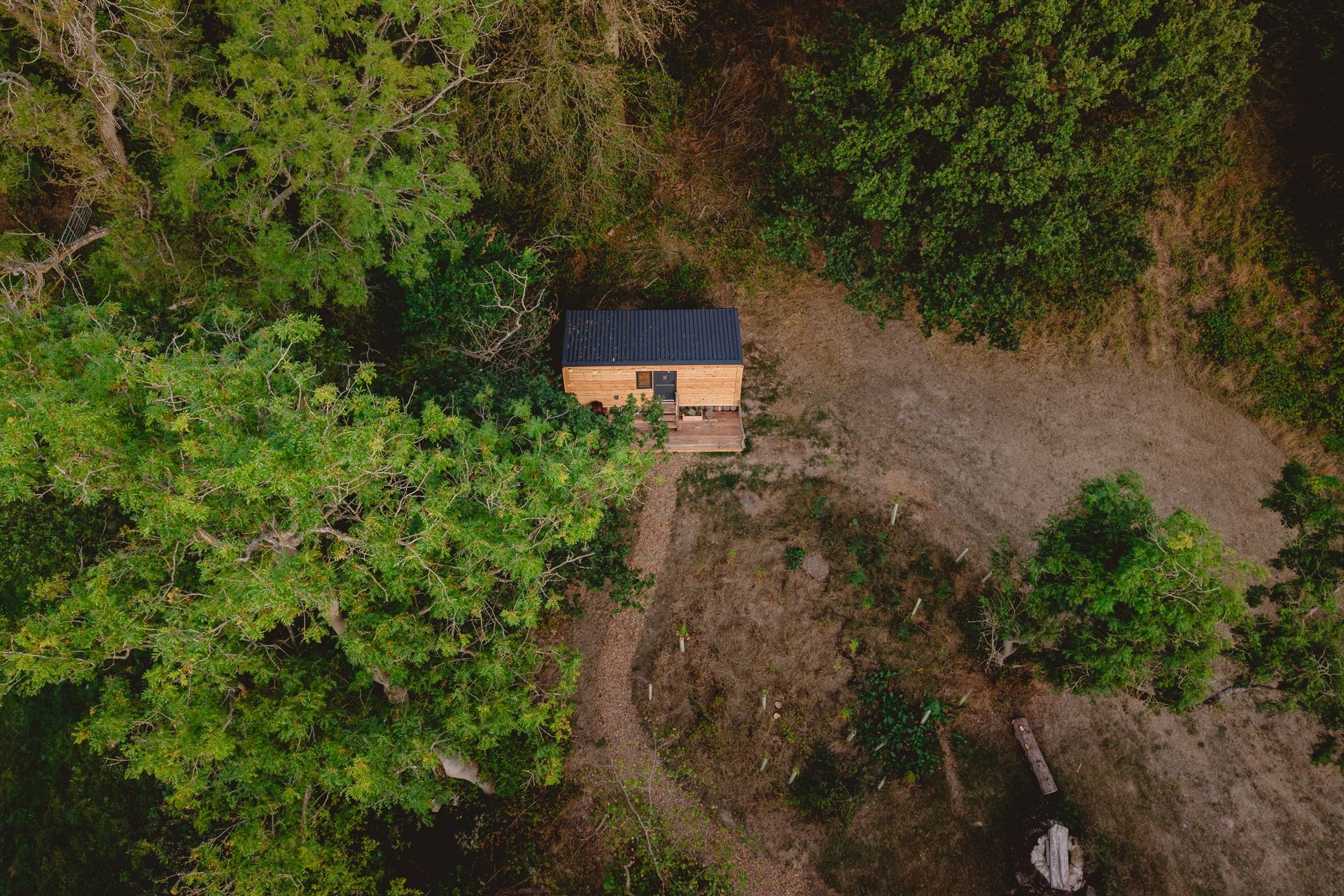
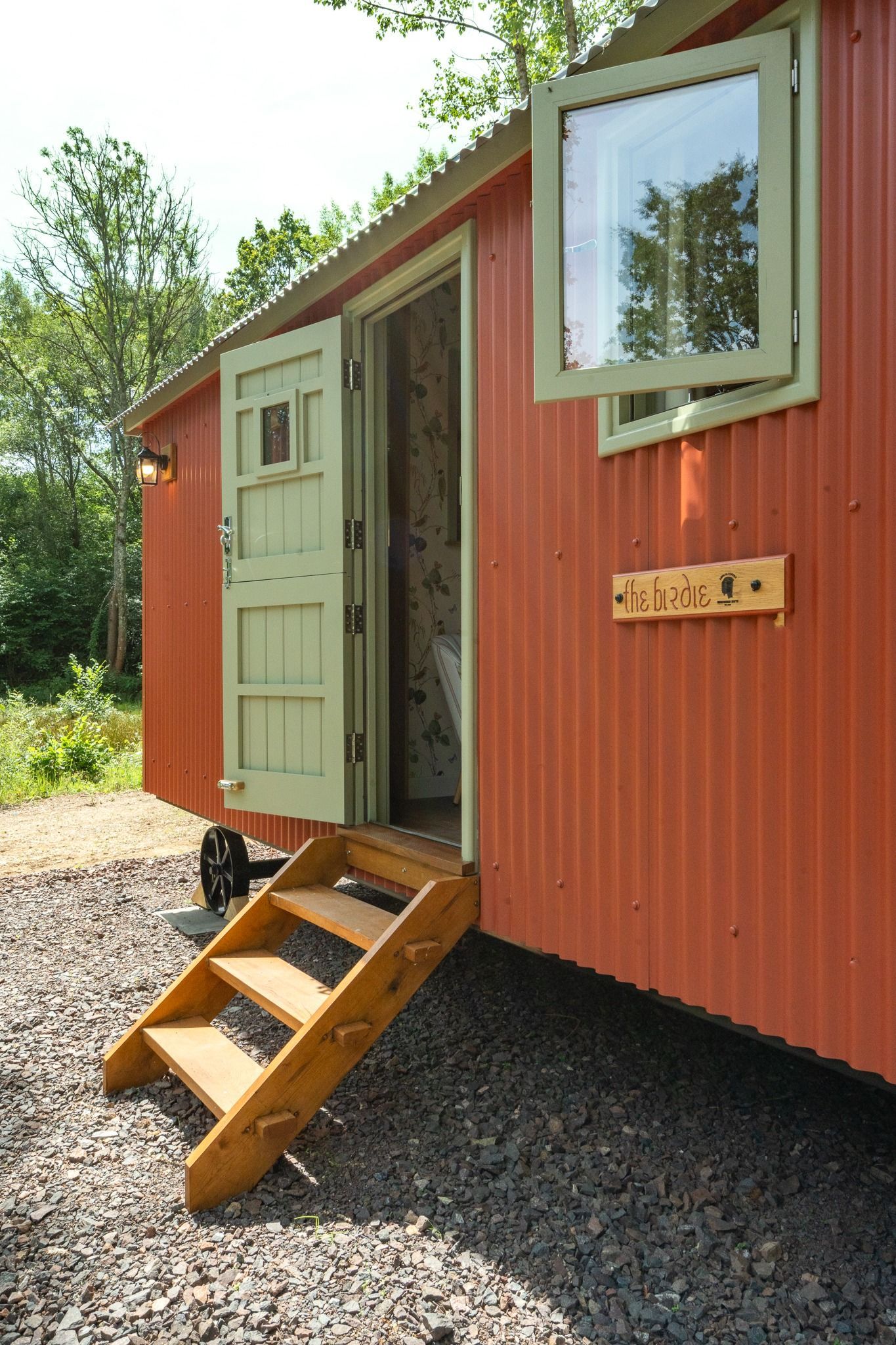
Looking for unique glamping and camping sites in the UK? From mirrored glass retreats to converted horseboxes and riverside vehicle conversions, our network of independently run sites proves that no two stays are ever the same. Browse unique stays across the Lake District, Yorkshire Dales, Shropshire, Cheshire, and Wales - and find the one that's missing from your bucket list.

Not the version where you put your phone face-down at dinner and call it a digital detox.